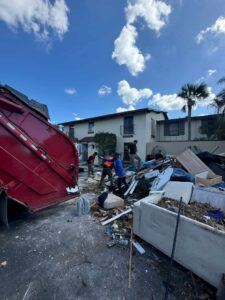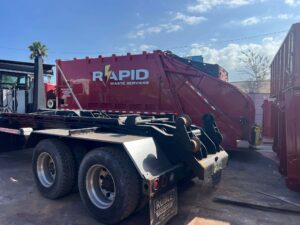

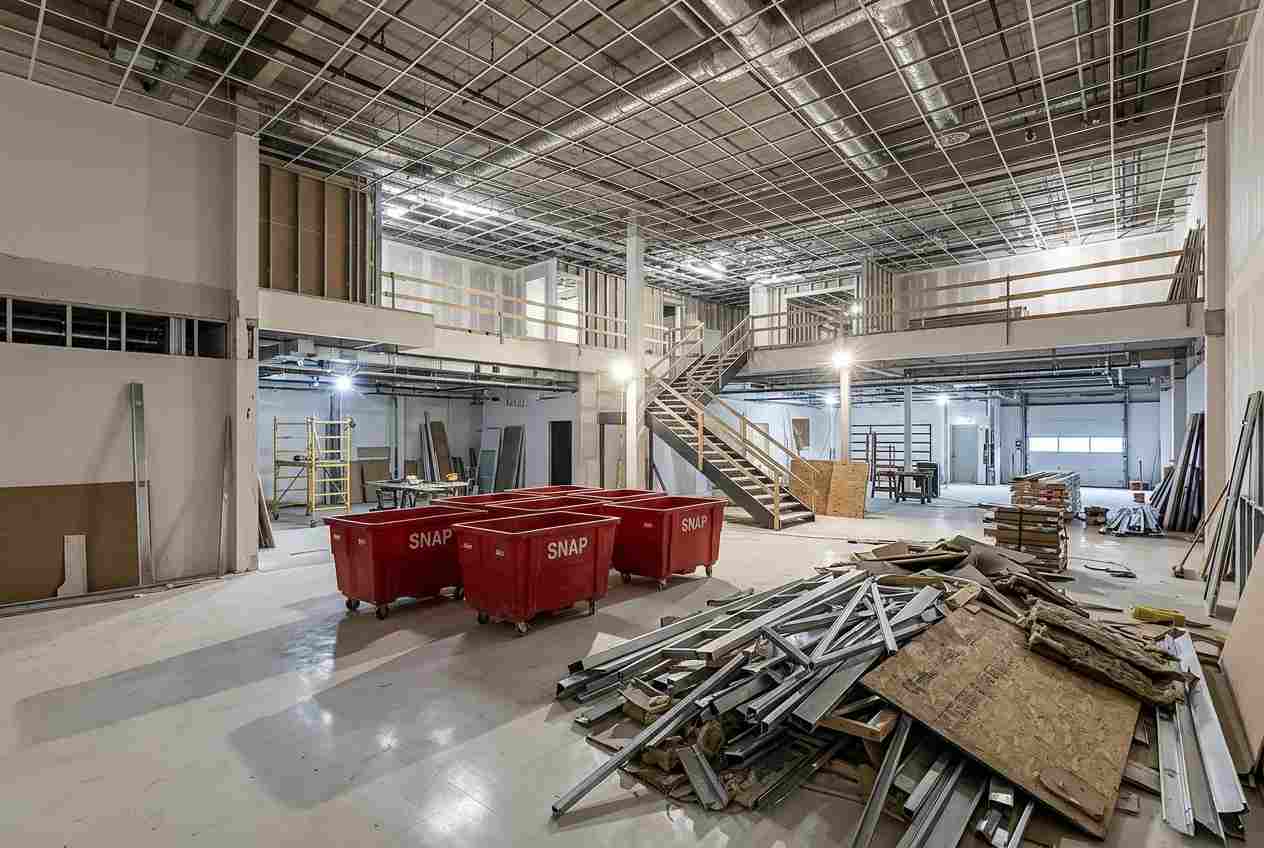
Short answer: a roll off dumpster’s rental price includes a set amount of weight, usually somewhere between 2 and 10 tons depending on container size, and going over that allowance triggers a per-ton overage fee, typically billed after the loaded container is weighed. On South Florida job sites, this catches contractors off guard more often than almost anywhere else, because the region’s most common building materials, concrete, barrel tile roofing, stucco, and terrazzo, are dense enough to hit the weight limit long before the dumpster looks full.
Understanding how weight and volume work as two separate measurements is the difference between an accurate quote and an invoice that comes in higher than expected.
Volume and Weight Are Not the Same Thing
A dumpster’s size in cubic yards tells you how much space it holds. Its weight limit tells you how many tons of debris the hauler will remove for the included price. These two numbers do not move together. A 20-yard dumpster filled with drywall, cardboard, and general debris might use only a fraction of its weight allowance while looking completely full. The same 20-yard dumpster loaded with concrete or tile can hit its tonnage cap while still looking half empty. Mixing dense and light materials in the same load is one of the most common reasons a project’s disposal cost comes in higher than the original estimate, which is why knowing how to choose the right dumpster size starts with knowing what is going into it.
Why South Florida Renovation and Demo Jobs Run Heavy
Renovation and demolition work in Boca Raton, Delray Beach, and Palm Beach Island regularly involves materials that are heavier per cubic yard than what a national dumpster sizing guide typically assumes. Barrel tile roof tear offs, stucco removal, terrazzo flooring demolition, and poured concrete patios and driveways are all common on South Florida projects, and all of them add weight fast. A contractor pulling estimates from a generic online sizing chart, built around lighter regional materials, is likely to underestimate what a South Florida demo load will actually weigh.
- Concrete, tile, and terrazzo add weight far faster than drywall, wood, or general debris
- A dumpster that looks half full can still be at its tonnage limit if the load is dense
- Separating heavy materials into their own dedicated load often costs less than one oversized mixed load
- Confirm your included tonnage and the per-ton overage rate before the container is dropped, not after it is picked up
How Overage Fees Actually Get Calculated
Once a loaded dumpster is picked up, it gets weighed at a certified scale. If the load exceeds the tonnage included in the rental price, the hauler bills a per-ton overage rate on the excess weight only, not the entire load. Overage rates vary by hauler and by local landfill tipping fees, so a rate that seems standard in one market may not apply to dumpster rentals in Palm Beach County, FL. Getting this number in writing before the project starts, rather than assuming it, avoids a surprise on the final invoice.
Requesting a Heavy-Debris Container Instead of Sizing Up
A common instinct when a job involves heavy material is to simply order the next size up in dumpster, assuming more cubic yards solves the weight problem. It often does not, since a larger container still comes with a set tonnage allowance, and filling more of it with dense debris just reaches that same cap sooner in terms of usable space. Many haulers offer smaller, low-profile containers specifically configured for heavy, low-volume loads like concrete, dirt, or tile, which carry a higher weight allowance relative to their footprint. Asking your hauler about this option by name, rather than defaulting to a bigger general-purpose container, is usually the more cost-effective choice for concentrated heavy-material loads. Rapid Waste Services can advise on the right container type once the material mix for a job is known.
A Compliance Angle Most Contractors Do Not Think About
Overweight loads are not just a billing issue. Florida enforces gross vehicle weight limits on the roads its haulers use to move a loaded roll off container, and Florida’s Department of Highway Safety and Motor Vehicles sets specific gross weight allowances for waste collection and dump trucks under its specialty vehicle weight schedule. A dumpster overloaded well beyond its rated capacity can put the hauler’s truck out of compliance on the road, not just over its rental allowance, which is one more reason an experienced hauler will flag a heavy load before it leaves the site rather than after.
How to Plan a Heavy Materials Job Without the Surprise Invoice
Before booking a dumpster for a project involving concrete, tile, stucco, or similar heavy debris, tell the hauler what materials are coming out and roughly how much of each. An experienced commercial hauler can recommend whether a dedicated heavy-debris container, a different size, or multiple smaller loads will actually cost less than one oversized container that hits its weight cap early. For contractors running commercial accounts across several active job sites, getting this right upfront also makes budgeting across projects far more predictable.
A Worked Example: Barrel Tile Roof Tear Off
Consider a common South Florida scenario: a barrel tile roof tear off on a mid-sized commercial building. A 20-yard dumpster with 3 tons of included weight might seem like the right size based on the roof’s square footage alone. But barrel tile is dense, and a full 20-yard load of tile debris can easily weigh 5 to 6 tons, well past the included allowance. At a typical overage rate in the range of $40 to $100 per ton, that difference alone can add several hundred dollars to a job that was quoted assuming a lighter, more general debris mix. Flagging the material type before booking allows the hauler to recommend either a larger container, a heavy-debris specific unit with a higher weight allowance, or splitting the tear off across two loads, any of which is typically cheaper than absorbing the overage on a single undersized container.
Building Weight Estimates Into Commercial Bids
For contractors bidding renovation or demolition work, disposal cost is easiest to estimate accurately when the debris mix is broken out by material type rather than treated as one general line item. A bid that separates concrete, tile, stucco, and general debris into their own estimated weights, even roughly, gives a much more reliable number than a flat per-yard disposal estimate borrowed from a lighter-material job. This is a small step in the bidding process that prevents the most common source of disposal cost overruns on South Florida renovation and demolition work.
Frequently Asked Questions
Q: Why did my dumpster rental cost more than the original quote?
A: The most common reason is a weight overage. Every dumpster rental includes a set amount of tonnage in the base price, and heavy materials like concrete, tile, or stucco can push a load over that limit even if the container is not visually full.
Q: How much weight does a dumpster rental include?
A: It depends on the container size, but most residential and light commercial roll off dumpsters include somewhere between 2 and 10 tons. Always confirm the specific included tonnage for your rental before the container is delivered.
Q: Can I mix concrete with general construction debris in one dumpster?
A: You usually can, but it is rarely the cheapest option. Heavy materials like concrete are better suited to a dedicated heavy-debris container with its own weight allowance, since mixing them with lighter debris often means paying overage fees on the whole load.
Q: Who weighs the dumpster to determine overage fees?
A: The loaded container is weighed at a certified scale after pickup, and any weight beyond the included tonnage is billed at the hauler’s per-ton overage rate.
Q: Are there legal weight limits for the truck hauling my dumpster, not just my rental price?
A: Yes. Florida regulates gross vehicle weight for commercial trucks, including waste collection and roll off vehicles, under its own weight enforcement rules. An extremely overloaded dumpster can create a road compliance issue for the truck, separate from any rental overage fee.
| Working with concrete, tile, or stucco on your next South Florida project? Rapid Waste Services can recommend the right container and weight allowance before your dumpster ships. Get an accurate quote today. |
Sources
Florida Department of Highway Safety and Motor Vehicles, Weight Enforcement (specialty gross weight for waste collection vehicles): https://www.flhsmv.gov/florida-highway-patrol/commercial-vehicle-enforcement/safety-enforcement/weight-enforcement/
Florida Statute 316.545, Weight and Load Unlawful; Special Fuel and Motor Fuel Tax Inspection; Penalty: https://www.flsenate.gov/Laws/Statutes/2024/316.545
About the Author
Rapid Waste Services provides commercial dumpster rentals for contractors managing renovation, demolition, and new construction projects across Boca Raton, Delray Beach, and Palm Beach Island. As a City of Boca Raton Authorized Commercial and Construction Debris Hauler, the company works with general contractors on multi-load projects where debris weight, not just volume, drives cost.